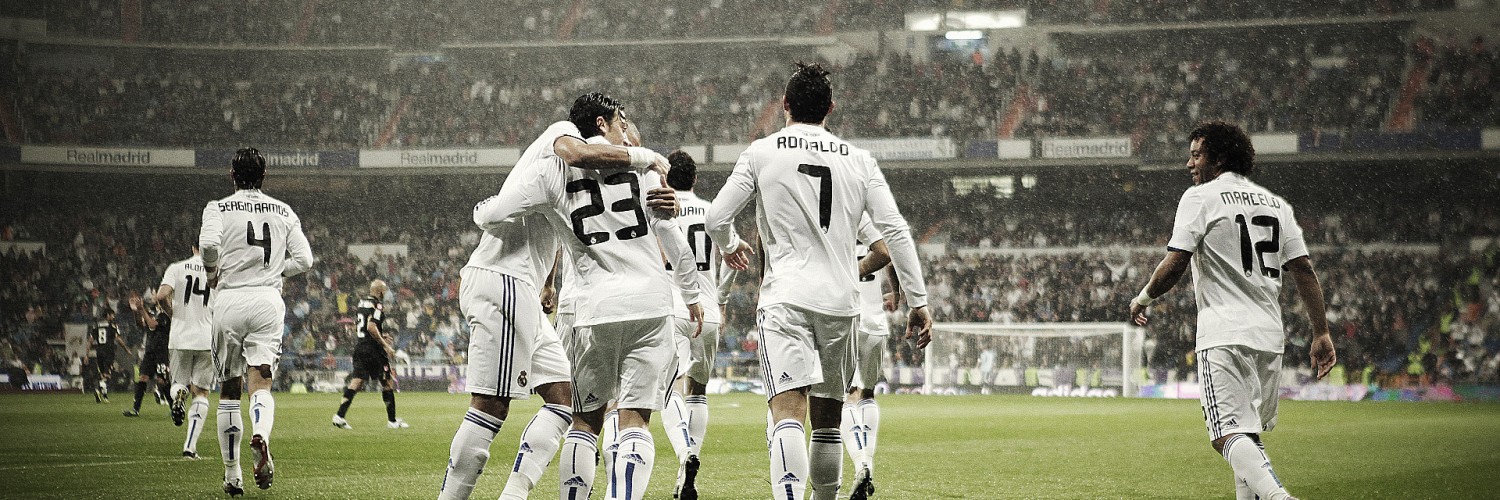
- Historic rivalries and the fifa world cup define footballs greatest moments
- The Evolution of Tournament Formats
- The Impact of Seeding and Group Stages
- Iconic Players and Their World Cup Legacies
- The Rise of New Footballing Superpowers
- Memorable Matches and Controversial Moments
- The Role of VAR (Video Assistant Referee)
- The Economic and Social Impact of the Tournament
- Beyond the Competition: The Future of Global Football
Historic rivalries and the fifa world cup define footballs greatest moments
The anticipation surrounding the fifa world cup is unlike any other sporting event on the planet. It’s a global spectacle that transcends national borders, uniting billions in a shared passion for the beautiful game. From the electrifying atmosphere within the stadiums to the fervent support displayed in fan zones across the globe, the tournament embodies the spirit of competition, camaraderie, and cultural exchange. The journey to qualify, the individual stories of players, and the historic clashes between footballing powerhouses all contribute to the event’s enduring legacy.
The cultural impact of the tournament extends far beyond the 90 minutes played on the pitch. Host nations witness a surge in tourism, infrastructure development, and national pride, while the global audience is treated to a vibrant display of local customs and traditions. The World Cup provides a platform for showcasing the best of international talent, fostering a sense of unity and inspiring a new generation of footballers. It's a celebration of athleticism, strategy, and the unwavering human pursuit of excellence, making it truly a global phenomenon.
The Evolution of Tournament Formats
The format of the fifa world cup has undergone significant evolution since its inception in 1930. The initial tournament, held in Uruguay, featured just 13 teams, with a relatively straightforward group stage followed by a knockout round. In those early years, travel was a considerable challenge, and qualifying was limited primarily to nations in Europe and South America. As the game’s popularity grew, so did the desire for broader representation. Subsequent tournaments saw an increase in the number of participating teams, reflecting the expanding global reach of football.
The introduction of regional qualifying zones allowed more nations from Africa, Asia, and North America to participate, fostering greater inclusivity and competition. The expansion of the tournament to 32 teams in 1998 marked a pivotal moment, further diversifying the field and raising the stakes. More recently, there has been debate about expanding the tournament to 48 teams, a move intended to provide more opportunities for emerging footballing nations to compete on the world stage. This change aims to inject fresh energy and unpredictability into the competition, but also raises concerns about the overall quality and intensity. The modern tournament format incorporates complex algorithms for ranking, seeding, and tie-breaking, all designed to ensure fairness and competitiveness.
The Impact of Seeding and Group Stages
The seeding process plays a crucial role in shaping the dynamics of the group stages. Typically, teams are seeded based on their FIFA world ranking, with higher-ranked nations being distributed into different groups to avoid early clashes between the strongest contenders. The group stages are designed to provide a preliminary round of competition, allowing teams to acclimatize to the tournament environment and test their strategies. A balanced group stage schedule, with strategic matchups, is vital for attracting viewership and generating excitement. Often, underdog teams capitalize on the opportunity to upset higher-ranked opponents, creating memorable moments and showcasing the unpredictable nature of football.
The evolution of FIFA’s ranking system has impacted tournament dynamics, as it leveraged complex metrics to determine seeding. This seeding system, designed to enhance competitiveness, has been subject to scrutiny and modifications over time based on its perceived effectiveness in accurately reflecting team strengths.
| Year | Host Nation | Number of Teams |
|---|---|---|
| 1930 | Uruguay | 13 |
| 1950 | Brazil | 16 |
| 1982 | Spain | 24 |
| 1998 | France | 32 |
| 2026 | Canada, Mexico, USA | 48 |
The table illustrates the growth of the fifa world cup over time. Each expansion has brought new dynamics to the tournament, impacting both competition and viewership.
Iconic Players and Their World Cup Legacies
The fifa world cup has consistently provided a stage for footballing legends to etch their names into history. Players like Pelé, Diego Maradona, Franz Beckenbauer, and more recently, Lionel Messi, have left an indelible mark on the tournament, capturing the imagination of fans worldwide with their skill, passion, and determination. Beyond individual brilliance, the contributions of entire teams have also shaped the narrative of the World Cup. The Brazilian squads of the 1950s and 60s, the Italian teams of the 1980s, and the French side of 1998 are just a few examples of teams that dominated their respective eras.
These players and teams not only achieved sporting success but also inspired generations of footballers and fans. Their stories of triumph and adversity resonate deeply within football culture, serving as a reminder of the power of teamwork, perseverance, and the pursuit of excellence. The impact of these iconic figures extends beyond the pitch, influencing fashion, music, and popular culture in their respective countries and around the world. The players’ triumphs and struggles contribute to the rich tapestry of World Cup lore.
The Rise of New Footballing Superpowers
Historically, the fifa world cup was largely dominated by European and South American nations. However, in recent decades, we have witnessed the emergence of new footballing superpowers from other regions, challenging the traditional hierarchy. Teams from Africa, Asia, and North America have become increasingly competitive, demonstrating the growing global reach of the game and the effectiveness of investment in grassroots development.
National federations have invested heavily in youth academies, coaching programs, and infrastructure improvements, leading to a significant increase in the quality of players and coaching staff. The globalization of football has also played a role, with players from diverse backgrounds gaining experience in top leagues around the world and bringing that knowledge back to their national teams. The strengthening of these new footballing powers has enriched the competition, making the tournament more unpredictable and exciting.
- Increased global viewership
- Enhanced sponsorship opportunities
- Greater media coverage
- Inspiring youth development programs
The broadening of competition has brought these benefits, enhancing the tournament’s appeal and furthering its global influence.
Memorable Matches and Controversial Moments
The history of the fifa world cup is filled with iconic matches that have become legendary for their drama, skill, and significance. From the “Maracanazo” in 1950, when Uruguay defeated Brazil in their own stadium, to England's controversial victory over West Germany in 1966, these matches have captivated audiences for generations. The 1970 final between Brazil and Italy, widely considered to be one of the greatest football matches ever played, showcased the brilliance of Pelé and the artistry of Brazilian football. More recently, matches like the 2010 semi-final between Spain and Germany and the thrilling 2014 final between Germany and Argentina have provided moments of unforgettable excitement.
The tournament has also been punctuated by controversial moments, including disputed refereeing decisions, allegations of corruption, and instances of unsportsmanlike conduct. These controversies often spark heated debate, testing the integrity of the competition and raising questions about the role of officiating and governance. The focus on fair play and ethical conduct has been central in maintaining the tournament’s respect and reputation. It’s crucial that games are consistently refereed fairly to foster trust in the sport.
The Role of VAR (Video Assistant Referee)
The introduction of VAR (Video Assistant Referee) technology has profoundly impacted the officiating of football matches, including those in the fifa world cup. VAR aims to minimize clear and obvious errors that could significantly influence the outcome of a game, by providing referees with the opportunity to review key decisions using video replays. The implementation of VAR has been met with both praise and criticism, with some arguing that it has improved accuracy and fairness, while others contend that it disrupts the flow of the game and creates unnecessary delays.
The protocols surrounding VAR are constantly evolving, as FIFA seeks to refine the system and address concerns about its implementation. The goal is to strike a balance between achieving greater accuracy and maintaining the natural rhythm and excitement of the game. VAR technology has the potential to increase transparency and accountability in refereeing decisions, but only if it is used effectively and consistently.
- Review clear and obvious errors
- Assess offside decisions
- Determine penalty decisions
- Confirm goal validity
These are the primary functions of VAR, greatly influencing the outcome of games. It has provoked debate, but it has become an integral part of modern football.
The Economic and Social Impact of the Tournament
Hosting the fifa world cup brings immense economic and social benefits to the host nation, but it also presents significant challenges. The construction or renovation of stadiums, transportation infrastructure, and accommodation facilities creates employment opportunities and stimulates economic growth. A surge in tourism generates revenue for local businesses and provides a platform for showcasing the host nation's culture and attractions. However, the costs associated with hosting the tournament can be substantial, and there is a risk of overspending or failing to deliver on promised infrastructure improvements.
The social impact of the tournament can be equally significant. It can foster a sense of national pride and unity, inspire young people to participate in sports, and promote cultural exchange. However, it can also lead to displacement of communities, gentrification, and social inequalities if not managed effectively. Sustainable development plans and community engagement programs are essential for mitigating these risks and maximizing the positive impact of the tournament.
Beyond the Competition: The Future of Global Football
The fifa world cup continues to evolve and adapt to the changing landscape of global football. The increasing commercialization of the game, the rise of player power, and the emergence of new technologies are all shaping its future. The development of innovative training methods, data analytics, and wearable technology is pushing the boundaries of athletic performance. The growing popularity of women’s football presents an exciting opportunity for expanding the reach and inclusivity of the game.
Looking ahead, the challenge for FIFA and national federations will be to strike a balance between commercial interests, sporting excellence, and social responsibility. Promoting fair play, safeguarding the integrity of the game, and ensuring its accessibility to all are paramount. A commitment to sustainability, inclusivity, and innovation will be essential for ensuring that the beautiful game continues to thrive for generations to come. The enduring appeal of the World Cup lies in its ability to connect people from all walks of life through a shared passion for football, fostering a sense of community and celebrating the power of sport to transcend borders.